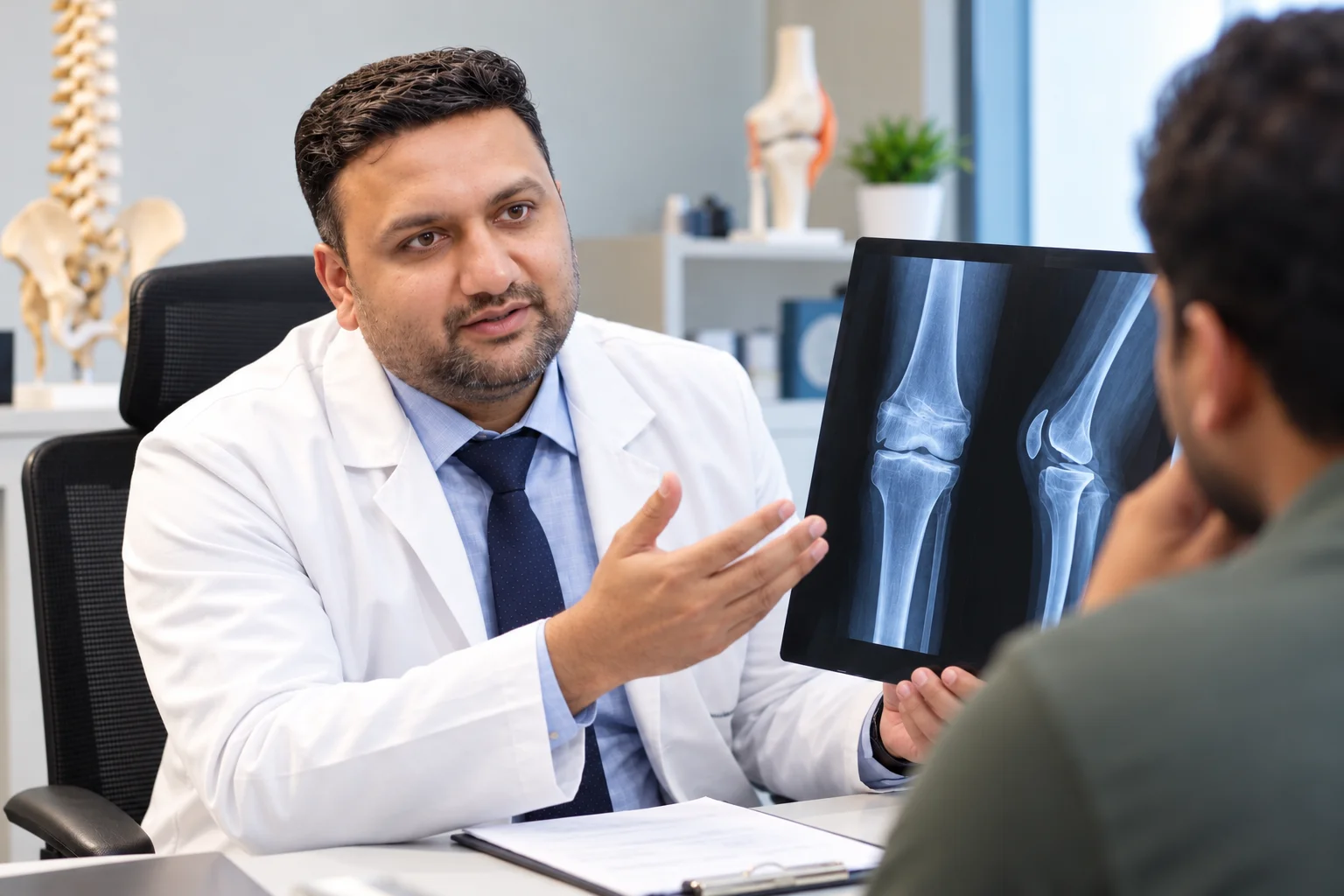
Bone and joint problems can affect almost every part of daily life. A persistent backache may make it uncomfortable to sit at work, knee pain can make climbing stairs difficult, and a shoulder injury may make simple tasks such as dressing or reaching overhead painful. When these problems continue or start affecting your mobility, consulting a qualified bone specialist doctor in Nagpur can help identify the underlying cause and guide you toward the right treatment.
Bone-related problems are not limited to fractures. Orthopaedic specialists also evaluate conditions involving joints, muscles, ligaments, tendons, cartilage, the spine, and other parts of the musculoskeletal system. Some conditions can improve with physiotherapy, medication, exercise, lifestyle changes, or other non-surgical treatments, while certain injuries or advanced joint problems may require surgery.
The important point is that treatment should be based on your specific condition rather than simply treating the location of pain.
This guide explains when you may need a bone specialist, which conditions they commonly treat, what happens during a consultation, when surgery may be considered, and how to choose the right orthopaedic specialist in Nagpur.
Table of Contents
- What Is a Bone Specialist Doctor?
- What Conditions Does a Bone Specialist Treat?
- When Should You See a Bone Specialist?
- Common Signs That Should Not Be Ignored
- Bone and Joint Problems Commonly Seen in Adults
- Bone Problems in Children and Older Adults
- What Happens During a Bone Specialist Consultation?
- Tests and Imaging a Doctor May Recommend
- Non-Surgical Treatments for Bone and Joint Problems
- When Is Surgery Considered?
- How to Choose a Bone Specialist Doctor in Nagpur
- Preparing for Your Orthopaedic Appointment
- Bone Health Tips for Everyday Life
- Frequently Asked Questions
- Conclusion
What Is a Bone Specialist Doctor?
A bone specialist is generally an orthopaedic doctor or orthopaedic surgeon who diagnoses and treats problems affecting the musculoskeletal system.
The musculoskeletal system includes:
- Bones
- Joints
- Muscles
- Ligaments
- Tendons
- Cartilage
- Spine
- Supporting tissues
An orthopaedic specialist may treat everything from a simple fracture to long-term conditions such as osteoarthritis.
The term "bone specialist" is commonly used by patients when searching for an orthopaedic doctor. However, different orthopaedic specialists may have additional areas of expertise, such as joint replacement, sports injuries, spine conditions, trauma, paediatric orthopaedics, or hand and upper-limb problems.
This means that when you search for a bone specialist doctor in Nagpur, it is useful to look beyond the general term and consider whether the doctor's experience matches your particular problem.
For example, someone with severe knee arthritis may benefit from consultation with a specialist experienced in knee and joint replacement, while a person with a sports injury may need a doctor with relevant experience in sports-related orthopaedic conditions.
What Conditions Does a Bone Specialist Treat?
Orthopaedic doctors manage a wide range of bone, joint, and musculoskeletal problems.
Fractures and Bone Injuries
A fracture occurs when a bone breaks. Fractures can result from falls, road accidents, sports injuries, workplace accidents, or weakened bones.
Treatment depends on the location and type of fracture and may include immobilization, casting, bracing, reduction, or surgery.
Arthritis
Arthritis can cause pain, stiffness, swelling, and reduced movement in a joint.
Osteoarthritis is particularly common in weight-bearing joints such as the knees and hips. Symptoms may gradually increase and begin interfering with walking, climbing stairs, or other routine activities.
Knee Problems
Knee pain can have many causes, including arthritis, ligament injuries, cartilage damage, meniscus problems, overuse, and trauma.
Depending on the diagnosis, treatment may involve medication, physiotherapy, activity modification, injections, or surgery.
Shoulder Problems
Shoulder pain may occur because of rotator cuff problems, arthritis, injuries, frozen shoulder, or other conditions.
A specialist can determine whether the problem is related to the joint, tendon, muscle, or another structure.
Back and Spine Problems
Back pain is extremely common, but its causes vary.
Muscle strain, disc-related problems, degenerative changes, spinal conditions, and injuries can all contribute to pain. Persistent, severe, or unusual symptoms should be medically evaluated.
Sports Injuries
Athletes and physically active people can experience ligament injuries, tendon problems, fractures, cartilage injuries, and muscle-related conditions.
Appropriate diagnosis is important because returning to activity too quickly may worsen certain injuries.
Joint Replacement Conditions
Advanced arthritis or severe joint damage may eventually require joint replacement.
Common joint replacement procedures include:
- Knee replacement
- Hip replacement
- Shoulder replacement
Whether replacement is appropriate depends on the severity of the condition, symptoms, functional limitations, previous treatments, and the surgeon's assessment.
When Should You See a Bone Specialist?
You do not necessarily need to see an orthopaedic specialist for every minor ache.
However, medical evaluation becomes more important when pain persists, keeps returning, follows an injury, or affects your ability to perform normal activities.
Consider consulting a bone specialist if you experience:
- Persistent bone or joint pain
- Repeated swelling
- Difficulty walking
- Reduced joint movement
- Pain while climbing stairs
- Difficulty standing for long periods
- Recurring sports injuries
- A suspected fracture
- Joint instability
- Persistent back or neck pain
- Pain that interferes with sleep
- Difficulty performing everyday tasks
- Stiffness that does not improve
- Pain following a significant accident or fall
For example, if your knee hurts occasionally after a long day but settles with rest, the situation may be different from knee pain that has continued for several weeks and now makes it difficult to use stairs.
The pattern, severity, duration, and impact of the symptoms all matter.
Common Signs That Should Not Be Ignored
Some people delay medical consultation because they assume their pain is simply due to age, physical work, or a minor injury.
That can sometimes lead to delayed diagnosis.
Pain That Keeps Returning
If knee, shoulder, hip, or back pain repeatedly returns after temporary relief, finding the underlying cause may be more useful than repeatedly managing the symptoms.
Difficulty With Normal Movement
If you are changing how you walk, avoiding stairs, using furniture for support, or limiting activities because of pain, consider getting evaluated.
Swelling or Visible Changes
Persistent swelling, deformity, or a noticeable change around a joint following an injury should be assessed by a medical professional.
Loss of Strength or Movement
Difficulty lifting an arm, bending a knee, gripping objects, or putting weight on a limb can indicate an underlying musculoskeletal problem.
Pain After an Injury
A fall or accident can cause injuries that are not always obvious from symptoms alone. A medical examination and appropriate imaging may be necessary.
Severe pain following major trauma, obvious deformity, inability to bear weight, or symptoms suggesting a serious injury require prompt medical attention.
Bone and Joint Problems Commonly Seen in Adults
Bone and joint problems can occur at different stages of life.
Osteoarthritis
Osteoarthritis involves changes to the tissues within a joint and can cause pain, stiffness, and reduced function.
It commonly affects the knees, hips, hands, and other joints.
Treatment depends on the severity and may involve exercise, physiotherapy, weight management where appropriate, medication, injections, assistive devices, or surgery.
Osteoporosis and Fragility Fractures
Osteoporosis causes bones to become weaker and more susceptible to fractures.
People may not realize they have reduced bone strength until a fracture occurs.
Depending on individual risk factors, a doctor may recommend bone-health evaluation and appropriate testing.
Age-Related Joint Changes
As people get older, joint stiffness and degenerative changes can become more common.
However, persistent pain should not automatically be dismissed as "normal aging."
A proper assessment can help determine whether symptoms are related to arthritis, injury, muscle weakness, or another condition.
Bone Problems in Children and Older Adults
Bone health needs can differ considerably between age groups.
Children and Teenagers
Growing children may experience injuries during sports, falls, or other activities. Some conditions also involve bone and joint development.
A child with persistent pain, repeated injuries, abnormal walking, swelling, or restricted movement should be evaluated by an appropriate medical professional.
Older Adults
Older adults may face increased risks related to falls, osteoporosis, fractures, arthritis, and reduced muscle strength.
A fall that might cause only a bruise in a younger person can sometimes result in a fracture in someone with reduced bone density.
Preventing falls, maintaining appropriate physical activity, addressing nutritional needs, and discussing bone health with a doctor can be important parts of healthy aging.
What Happens During a Bone Specialist Consultation?
If you have never visited an orthopaedic doctor before, you may wonder what will happen during the appointment.
The consultation usually begins with a discussion about your symptoms and medical history.
Medical History
Your doctor may ask:
- When did the pain begin?
- Did it start suddenly or gradually?
- Was there an injury?
- Where exactly does it hurt?
- What makes the pain better or worse?
- Does it affect walking or sleeping?
- Have you received treatment previously?
- Are you taking any medications?
- Have you had previous surgery or injuries?
Physical Examination
The doctor may examine the affected area and assess movement, strength, stability, swelling, tenderness, alignment, and other relevant signs.
Diagnostic Evaluation
Depending on the symptoms, the doctor may recommend imaging or other tests.
The purpose is not to order every possible test. It is to obtain information that can help establish or confirm the diagnosis and guide treatment.
Tests and Imaging a Doctor May Recommend
The appropriate test depends on the suspected condition.
X-Ray
X-rays are commonly used to evaluate fractures, bone alignment, joint-space changes, and certain degenerative conditions.
MRI
MRI can provide detailed information about soft tissues and structures such as ligaments, tendons, cartilage, and discs.
It may be useful for certain injuries or conditions that cannot be adequately evaluated with an X-ray.
CT Scan
CT imaging can provide detailed cross-sectional views and may be useful for particular fractures and complex bone problems.
Blood Tests
Blood tests may sometimes be recommended when the doctor suspects infection, inflammatory disease, or another systemic condition.
Bone Density Testing
A bone mineral density test may be considered when assessing osteoporosis risk or bone strength in appropriate patients.
The doctor should recommend investigations based on your symptoms, examination, and medical history.
Non-Surgical Treatments for Bone and Joint Problems
Seeing a bone specialist in Nagpur does not automatically mean you will need surgery.
Many orthopaedic conditions can initially be managed without an operation.
Depending on the diagnosis, treatment may include:
Physiotherapy
Specific exercises can help improve strength, flexibility, movement, balance, and joint function.
Medication
Doctors may recommend appropriate medications for pain or inflammation based on the individual's condition and medical history.
Patients should not start long-term medication or change prescribed medicines without medical guidance.
Activity Modification
Sometimes changing how you perform certain activities can reduce stress on an affected joint or allow an injury to recover.
Weight Management
For people with weight-related stress on weight-bearing joints, achieving and maintaining a healthy weight may help reduce mechanical stress and support overall health.
Braces or Supports
Certain conditions may benefit from braces, orthoses, walking aids, or other supportive devices.
Injections
In selected cases, doctors may discuss injections as part of treatment. The type and suitability depend on the condition and patient.
The appropriate treatment is different for every person. A treatment that helps one patient may not be suitable for another.
When Is Surgery Considered?
Surgery is generally considered when the expected benefits outweigh the risks and other appropriate treatments have not provided sufficient improvement, or when surgery is necessary because of the nature of the injury or condition.
Examples may include:
- Certain complex fractures
- Severe joint damage
- Advanced arthritis
- Some ligament or tendon injuries
- Certain spinal conditions
- Conditions causing significant functional limitations
Joint replacement may be considered when severe joint disease causes substantial pain and disability and conservative treatments no longer provide adequate relief.
The decision should involve a discussion about expected benefits, risks, alternatives, recovery, and the patient's individual goals.
How to Choose a Bone Specialist Doctor in Nagpur
Choosing a specialist is an important decision, particularly if your condition may require long-term treatment or surgery.
When searching for a bone specialist doctor in Nagpur, consider the following factors.
Relevant Qualifications
Check whether the doctor has recognized qualifications in orthopaedics and appropriate specialist training.
Experience With Your Condition
A doctor may have broad orthopaedic experience but also have particular expertise in areas such as knee replacement, hip surgery, sports injuries, trauma, or spine care.
Look for experience relevant to your problem.
Diagnostic and Treatment Facilities
Consider whether the hospital or clinic has access to appropriate diagnostic services, surgical facilities, physiotherapy, and postoperative care when required.
Clear Communication
Your doctor should explain your condition and treatment options in language you can understand.
You should be able to ask questions about:
- Diagnosis
- Treatment options
- Expected recovery
- Risks
- Alternatives
- Follow-up care
Avoid Choosing Based Only on Advertising
Online visibility can help you discover doctors, but advertisements alone do not establish whether a particular specialist is right for your medical needs.
Consider qualifications, relevant experience, facilities, communication, and the overall treatment approach.
Preparing for Your Orthopaedic Appointment
You can make your consultation more useful by preparing some information in advance.
Write down:
- When your symptoms started
- Where the pain occurs
- Activities that increase the pain
- Any previous injuries
- Previous treatments
- Current medications
- Previous scans or reports
- Relevant medical history
If you already have X-rays, MRI reports, prescriptions, or previous consultation notes, take them with you if relevant.
You can also prepare questions before the appointment.
For example:
"What is causing my pain?"
"Do I need surgery, or are there other treatment options?"
"What happens if I delay treatment?"
"What activities should I avoid?"
"How long might recovery take?"
These questions can help you understand the treatment plan rather than simply receiving a diagnosis.
Bone Health Tips for Everyday Life
Taking care of your bones and joints is not limited to treating problems after they occur.
Stay Physically Active
Regular, appropriate physical activity can help maintain muscle strength, mobility, balance, and overall musculoskeletal health.
The right exercise depends on your age, fitness level, and medical condition.
Maintain a Balanced Diet
Adequate nutrition supports overall bone and muscle health. Calcium, vitamin D, protein, and other nutrients play important roles in the body.
If you have concerns about deficiencies or nutritional requirements, discuss them with a healthcare professional.
Protect Yourself During Sports
Use appropriate protective equipment and learn proper movement techniques when participating in sports or physically demanding activities.
Prevent Falls
For older adults especially, reducing fall hazards at home, improving lighting, using appropriate support when necessary, and working on balance and strength can help reduce injury risk.
Do Not Ignore Persistent Pain
Occasional discomfort after unusual physical activity may settle with rest, but persistent or recurring pain deserves attention.
Early evaluation can sometimes help identify a problem before it significantly affects mobility.
Frequently Asked Questions
What does a bone specialist doctor treat?
A bone specialist, usually an orthopaedic doctor, treats conditions involving bones, joints, muscles, ligaments, tendons, cartilage, and other parts of the musculoskeletal system. This can include fractures, arthritis, sports injuries, joint problems, and conditions requiring joint replacement.
How do I find a bone specialist doctor in Nagpur?
Look for a qualified orthopaedic specialist whose experience matches your specific problem. Consider their qualifications, experience, treatment approach, hospital facilities, diagnostic support, rehabilitation services, and ability to explain treatment options clearly.
Should I see a bone specialist for knee pain?
If knee pain is persistent, worsening, associated with swelling or instability, follows an injury, or interferes with walking and everyday activities, an orthopaedic evaluation may be appropriate.
Does seeing a bone specialist mean I need surgery?
No. Many bone and joint conditions can be treated without surgery. Depending on your diagnosis, your doctor may recommend physiotherapy, medication, activity modification, weight management, supportive devices, injections, or other treatments before considering surgery.
When should I see a doctor after a bone injury?
You should seek medical evaluation when an injury causes significant pain, swelling, deformity, difficulty bearing weight, restricted movement, or other concerning symptoms. Major trauma or suspected fractures require prompt assessment.
What tests might an orthopaedic doctor recommend?
Depending on your symptoms, your doctor may recommend an X-ray, MRI, CT scan, blood tests, bone density testing, or another appropriate investigation. The choice depends on your symptoms and clinical examination.
Can arthritis be treated without surgery?
Many people with arthritis can initially be managed with non-surgical approaches such as exercise, physiotherapy, activity modification, medication, weight management where appropriate, or other treatments. Advanced joint damage may sometimes require surgery.
How can I protect my bones as I get older?
Maintaining appropriate physical activity, supporting good nutrition, reducing fall risks, maintaining muscle strength and balance, and discussing osteoporosis risk with your doctor can all contribute to long-term bone health.
Is a bone specialist the same as an orthopaedic doctor?
"Bone specialist" is a common patient-friendly term. Orthopaedic doctors diagnose and treat conditions affecting the musculoskeletal system, including bones and joints as well as muscles, ligaments, tendons, and related structures.
Conclusion
Finding the right bone specialist doctor in Nagpur is not simply about finding someone who treats bones. The more important question is whether the doctor has the appropriate qualifications, experience, diagnostic support, and treatment approach for your particular condition.
Whether you are dealing with persistent knee pain, a fracture, arthritis, a sports injury, shoulder problems, back pain, or another musculoskeletal issue, the first step is understanding what is actually causing the problem.
A specialist can assess your symptoms, perform an appropriate examination, recommend necessary investigations, and explain the available treatment options. In many cases, treatment may begin without surgery. When surgery becomes necessary, understanding the procedure, expected benefits, possible risks, alternatives, and rehabilitation process can help you make a more informed decision.
Do not ignore persistent pain simply because you assume it is part of aging or everyday physical activity. If a bone or joint problem is affecting how you walk, work, exercise, sleep, or perform routine activities, consider scheduling an evaluation with a qualified orthopaedic specialist in Nagpur.
The right treatment starts with the right diagnosis.