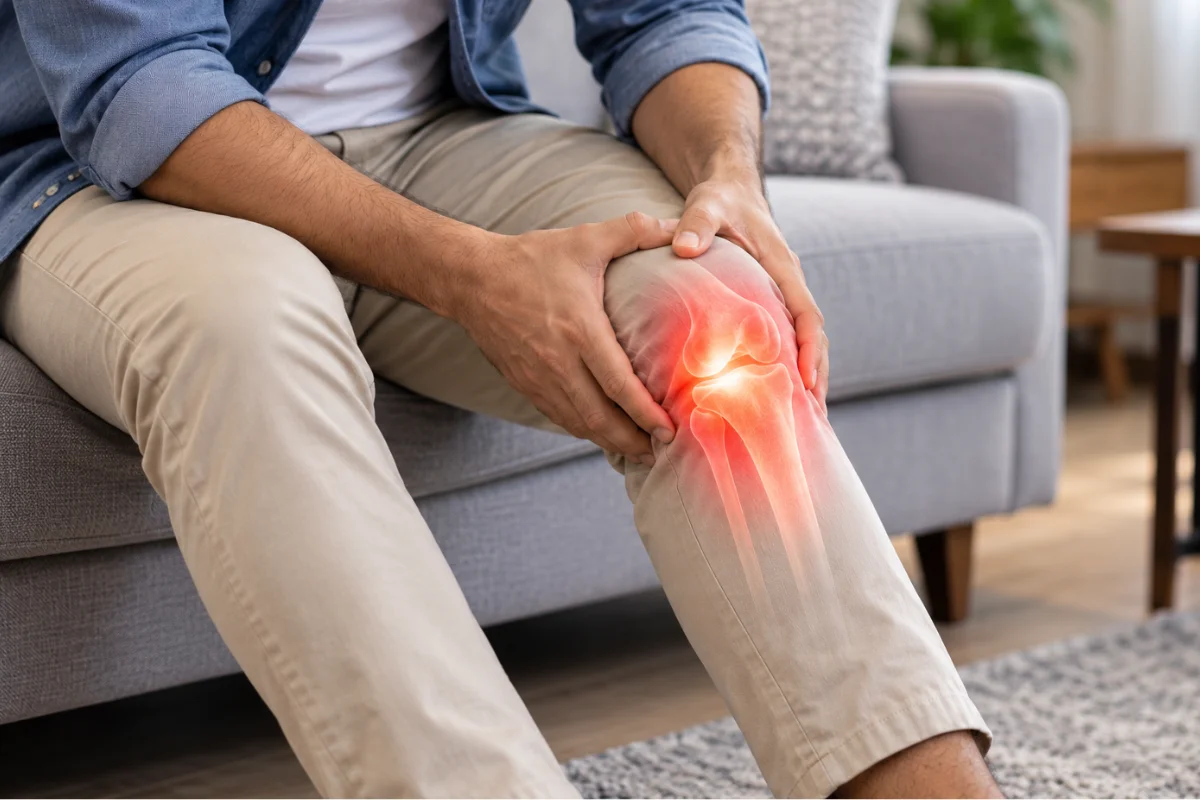
If you are searching for a bone specialist hospital in Nagpur, you may be dealing with anything from persistent joint pain or a fracture to arthritis, sports injuries, spine problems, or a condition that requires joint replacement. Choosing the right orthopedic care is not only about finding a hospital with advanced equipment. It is also about getting the correct diagnosis and understanding which treatment is appropriate for your condition.
At Dr. Agrawal's R.K. Hospital, orthopedic care is led by Dr. Rahul Agrawal, MBBS, MS (Orthopedics). The hospital provides orthopedic services including fracture and trauma care, joint pain evaluation, knee and hip replacement, spine treatment and rehabilitation.
In my practice, I believe patients should first understand why they are experiencing pain or loss of movement before deciding on a treatment. Not every bone or joint problem requires surgery. Depending on the diagnosis, treatment may involve medicines, physiotherapy, activity modification, injections, fracture management, or surgery.
What Does a Bone Specialist Hospital Do?
A bone specialist hospital in Nagpur provides medical care for conditions affecting the bones, joints, muscles, ligaments, tendons and other parts of the musculoskeletal system.
An orthopedic specialist may evaluate problems such as:
- Bone fractures
- Knee pain
- Hip pain
- Shoulder pain
- Joint stiffness
- Arthritis
- Sports injuries
- Ligament and tendon injuries
- Back and spine problems
- Slip disc
- Spinal stenosis
- Bone and joint injuries after accidents
- Joint degeneration
- Conditions requiring knee or hip replacement
Orthopedic care can range from conservative treatment to complex surgical procedures.
For example, a patient with mild or moderate joint pain may initially benefit from exercise, physiotherapy, lifestyle modification or medication. A patient with a severe fracture or advanced joint damage may need a more specialized intervention.
The treatment should therefore be based on the cause, severity, age, activity level, medical history and functional limitations of the patient rather than simply the presence of pain.
When Should You Visit a Bone Specialist?
One of the most common questions I hear is:
“How do I know whether my bone or joint pain needs an orthopedic consultation?”
You should consider an orthopedic evaluation when pain or stiffness is persistent, keeps returning, affects your daily activities, or follows an injury.
For example, you may benefit from an evaluation if:
- Knee pain is making walking difficult
- You have recurring shoulder or hip pain
- A joint has become stiff or swollen
- You have difficulty climbing stairs
- You have persistent back or neck pain
- You suffered an injury while playing sports
- You have had a fall or accident
- You suspect a fracture
- You experience repeated joint instability
- Arthritis symptoms are affecting daily activities
- You have been advised to consider joint replacement
- Pain continues despite initial treatment
Persistent joint pain should not simply be ignored. Common causes include injuries and arthritis, but different conditions can produce similar symptoms and may require different treatment.
Common Conditions Treated at a Bone Specialist Hospital in Nagpur
1. Fractures and Bone Injuries
A fracture occurs when a bone partially or completely breaks. Fractures can result from falls, road accidents, sports injuries or other trauma.
The treatment depends on factors such as:
- Location of the fracture
- Type of fracture
- Bone involved
- Degree of displacement
- Soft-tissue damage
- Patient's age and overall health
Some fractures can be managed with immobilization, while others may require reduction or surgical fixation.
If an injury causes severe pain, significant deformity, numbness, tingling or inability to bear weight, prompt medical assessment is important.
2. Knee Pain and Arthritis
Knee pain is one of the most common orthopedic complaints.
It can be related to:
- Osteoarthritis
- Previous injury
- Ligament problems
- Meniscus injuries
- Overuse
- Muscle weakness
- Other joint conditions
Osteoarthritis commonly causes pain, stiffness and difficulty moving the affected joint. The knees and hips are among the joints frequently affected.
When a patient comes to me with knee pain, I first want to understand how the pain affects everyday life.
For example:
Can you walk comfortably?
Can you climb stairs?
Can you sit and stand without difficulty?
Does the pain disturb your sleep?
Has your walking distance reduced?
These practical questions can be as important as the pain score itself when planning treatment.
3. Hip Problems
Hip conditions can cause pain in the hip, groin, thigh or sometimes the surrounding area.
Patients may notice:
- Pain while walking
- Difficulty climbing stairs
- Stiffness
- Difficulty sitting or standing
- Reduced range of movement
- Pain during daily activities
Persistent hip pain that affects normal activities or sleep should be evaluated by a healthcare professional.
Depending on the underlying cause, treatment may range from conservative management to hip replacement surgery.
4. Sports Injuries
Sports injuries can affect athletes as well as people who exercise recreationally.
Common orthopedic sports injuries include:
- Ligament injuries
- Muscle strains
- Tendon injuries
- Meniscus injuries
- Joint sprains
- Fractures
- Shoulder injuries
- Knee injuries
The goal is not simply to reduce pain. The treatment plan should also consider restoring movement, strength and function while reducing the risk of further injury.
5. Spine and Back Problems
Orthopedic hospitals may also manage several musculoskeletal conditions affecting the spine.
These can include:
- Persistent back pain
- Slip disc
- Spinal stenosis
- Certain spinal deformities
- Spine-related nerve symptoms
- Back injuries
At R.K. Hospital, spine treatment is included within the hospital's orthopedic services, including care for conditions such as slip disc and spinal stenosis.
Back pain can have many causes, so persistent or severe symptoms should be properly evaluated rather than treated indefinitely through self-medication.
How Does an Orthopedic Doctor Diagnose Bone and Joint Problems?
A proper diagnosis usually begins with a detailed discussion about your symptoms.
During consultation, I may want to know:
- When the pain started
- Whether there was an injury
- Where exactly the pain occurs
- Whether pain increases with movement
- Whether you have swelling or stiffness
- How far you can walk
- Whether your sleep is affected
- Whether you have previously received treatment
- Whether you have other medical conditions
- Whether you have undergone previous orthopedic surgery
A physical examination is then performed according to the symptoms.
Depending on the suspected condition, investigations may include:
- X-ray
- MRI
- CT scan
- Blood tests in selected cases
- Other specialized investigations
Importantly, not every patient needs every test. The appropriate investigation depends on the clinical situation.
For example, osteoarthritis can sometimes be diagnosed clinically without routine imaging, while imaging may be required when the diagnosis is uncertain or another condition needs to be considered.
Does Every Bone or Joint Problem Require Surgery?
No.
This is an important point I explain to my patients.
Orthopedic treatment is not synonymous with surgery.
Depending on the condition, treatment may include:
Conservative Treatment
This may involve:
- Activity modification
- Exercise
- Physiotherapy
- Weight management when appropriate
- Medicines
- Supportive devices
- Pain management
Rehabilitation
Physiotherapy can help improve:
- Strength
- Flexibility
- Balance
- Joint movement
- Functional ability
Injections
In selected conditions, a doctor may discuss injection-based treatment when appropriate.
Surgery
Surgery may be considered when there is a clear indication and non-surgical options are ineffective, unsuitable or unlikely to provide adequate relief.
The treatment decision should be individualized.
When Is Joint Replacement Considered?
Joint replacement is generally considered when significant joint damage causes persistent symptoms and substantially affects a person's quality of life despite appropriate non-surgical management.
For example, severe knee or hip arthritis may cause:
- Persistent pain
- Significant stiffness
- Difficulty walking
- Reduced ability to perform daily activities
- Sleep disturbance
- Reduced independence
The decision is not based on an X-ray alone.
When I discuss joint replacement with a patient, I consider the combination of symptoms, physical function, examination findings, imaging and previous treatment.
At R.K. Hospital, orthopedic services include knee and hip replacement, including computer-assisted and robotic-assisted joint replacement procedures.
Robotic and Computer-Assisted Joint Replacement
Technology has become an important part of modern orthopedic surgery.
Computer-assisted and robotic-assisted systems can help surgeons with surgical planning and execution during selected joint replacement procedures.
However, I always explain one important point to patients:
The technology assists the orthopedic surgeon; it does not replace the surgeon.
The final treatment decision still depends on the patient's condition, anatomy, symptoms and the surgeon's clinical judgment.
R.K. Hospital currently offers robotic-assisted knee and hip replacement under its orthopedic services.
What Makes a Good Bone Specialist Hospital in Nagpur?
When choosing a bone specialist hospital in Nagpur, do not look at only one factor.
Instead, consider the overall orthopedic care pathway.
1. Qualified Orthopedic Specialist
Check the doctor's orthopedic qualification and area of practice.
At R.K. Hospital, orthopedic care is provided by Dr. Rahul Agrawal, MBBS, MS (Orthopedics).
2. Diagnostic Evaluation
The hospital should be able to guide patients toward appropriate evaluation rather than recommending treatment without understanding the underlying problem.
3. Range of Orthopedic Services
A hospital that handles different orthopedic conditions can provide continuity when a patient's treatment becomes more complex.
4. Fracture and Trauma Care
Accidents and fractures often require timely evaluation and treatment.
5. Joint Replacement Services
For patients with advanced joint disease, access to knee and hip replacement services may be important.
6. Rehabilitation and Follow-Up
Treatment does not necessarily end after a procedure. Rehabilitation and follow-up can be important parts of recovery.
7. Clear Communication
Patients should be able to understand:
- What is wrong
- What treatment options exist
- Whether surgery is necessary
- What the expected recovery involves
- What risks should be considered
- What happens if treatment is delayed
I believe informed patients make better healthcare decisions.
Bone Specialist Hospital in Nagpur for Fracture and Trauma Care
A fracture following an accident requires more than simply putting the injured limb in a cast.
The orthopedic team may need to determine:
- Whether the bone is displaced
- Whether the fracture involves a joint
- Whether there is soft-tissue damage
- Whether nerves or blood vessels are affected
- Whether surgery is required
- How the fracture should be stabilized
- What rehabilitation will be required
At R.K. Hospital, fracture treatment and orthopedic trauma care are among the services provided by Dr. Rahul Agrawal.
If an injury causes severe pain, obvious deformity, inability to bear weight, numbness or significant loss of sensation, urgent medical attention is appropriate.
Bone and Joint Care for Older Adults
As people age, conditions such as osteoarthritis can become more common.
But joint pain should not automatically be considered an unavoidable part of ageing.
A patient may have:
- Arthritis
- Previous fracture
- Muscle weakness
- Reduced balance
- Joint stiffness
- Degenerative joint changes
The right approach is to identify the cause and understand how it affects mobility and independence.
For older adults, maintaining safe movement and physical function can be an important part of long-term orthopedic care.
When Should Bone Pain Be Taken Seriously?
Not every episode of pain represents a serious condition, but persistent or unusual symptoms should not be ignored.
Seek medical evaluation if you experience:
- Persistent bone pain
- Recurrent swelling
- Increasing joint stiffness
- Pain that interferes with normal activities
- Pain that keeps returning
- Unexplained difficulty walking
- A lump or swelling near a bone
- Pain that is particularly persistent or occurs at night
Persistent bone pain, swelling or difficulty moving should be assessed rather than self-diagnosed.
What Should You Bring to an Orthopedic Consultation?
If you are visiting a bone specialist doctor in Nagpur, carrying relevant medical information can make the consultation more useful.
Consider bringing:
- Previous X-rays
- MRI or CT reports
- Blood test reports
- Previous prescriptions
- List of current medicines
- Previous surgery records
- Details of previous injuries
- Information about when your symptoms started
Also make a note of what makes your pain better or worse.
For example:
“My knee hurts when I climb stairs but not when I sit.”
That kind of information can help the doctor understand your symptoms more clearly.
Questions to Ask Your Bone Specialist
You do not need to hesitate when asking questions about your treatment.
Useful questions include:
- What is causing my pain?
- Do I need an X-ray or another investigation?
- Can my condition be treated without surgery?
- What exercises are appropriate?
- Do I need physiotherapy?
- What happens if I delay treatment?
- If surgery is recommended, why is it necessary?
- What are the potential risks?
- What will recovery involve?
- When can I return to normal activities?
A good consultation should leave you with a clearer understanding of your condition and available options.
Orthopedic Care at Dr. Agrawal's R.K. Hospital, Nagpur
Dr. Agrawal's R.K. Hospital provides orthopedic and other specialty healthcare services in Nagpur.
Its orthopedic services include:
- Knee and hip replacement
- Robotic-assisted joint replacement
- Fracture treatment
- Orthopedic trauma care
- Joint pain evaluation
- Spine treatment
- Sports injury management
- Post-injury rehabilitation
The hospital identifies Dr. Rahul Agrawal, MBBS, MS (Orthopedics) as its orthopedic doctor.
The hospital is located at:
27 Chandrashekhar, Azad Square, Central Avenue, Ladpura, Itwari, Nagpur, Maharashtra 440002
For appointments, the hospital lists +91 97660 57372.
Frequently Asked Questions
What does a bone specialist treat?
A bone specialist, usually an orthopedic doctor, evaluates and treats conditions affecting bones, joints and the wider musculoskeletal system. These can include fractures, arthritis, joint pain, sports injuries, spine conditions and problems requiring joint replacement.
When should I visit a bone specialist in Nagpur?
Consider an orthopedic consultation when pain, stiffness or reduced movement persists, repeatedly returns, affects daily activities, or follows an injury.
Does bone pain always mean a serious problem?
No. Bone and joint pain can have many causes. However, persistent, unexplained or worsening pain should be medically evaluated rather than self-diagnosed.
Do all orthopedic conditions require surgery?
No. Depending on the diagnosis, treatment may include exercise, physiotherapy, medicines, activity modification, injections or other non-surgical approaches. Surgery is considered when clinically appropriate.
When is knee replacement considered?
Knee replacement may be considered when significant knee disease causes persistent symptoms and substantially affects daily life despite appropriate non-surgical treatment.
Does R.K. Hospital provide fracture treatment?
Yes. Fracture treatment and orthopedic trauma care are listed among Dr. Rahul Agrawal's orthopedic services at R.K. Hospital.
Does R.K. Hospital offer robotic joint replacement?
Yes. The hospital lists robotic-assisted knee and hip replacement as part of its orthopedic services.
Where is Dr. Agrawal's R.K. Hospital located?
The hospital is located at 27 Chandrashekhar, Azad Square, Central Avenue, Ladpura, Itwari, Nagpur, Maharashtra 440002.
Final Thoughts From an Orthopedic Doctor
When you search for a bone specialist hospital in Nagpur, try not to make the decision based only on words such as “advanced,” “modern” or “specialized.”
Start with a more important question:
“Can I get the right diagnosis and a treatment plan that fits my condition?”
Bone and joint problems are different for every patient. A fracture, arthritis, sports injury and severe knee degeneration should not all be approached in the same way.
My approach is to first understand the problem, explain the available options clearly and then discuss whether conservative treatment, rehabilitation or surgery is appropriate.
If you have persistent bone or joint pain, difficulty moving, a recent injury, or have been advised to consider orthopedic surgery, an in-person evaluation can help clarify the next step.