Pregnancy is a beautiful experience, but it can also bring many questions.
You may be excited after seeing a positive pregnancy test and, at the same time, wonder what you should do next. Is the pregnancy progressing normally? When should the first check-up happen? Which tests are required? What should you eat? Is nausea normal? Can you continue working or exercising? What symptoms should you take seriously?
These are questions I hear from many expecting mothers.
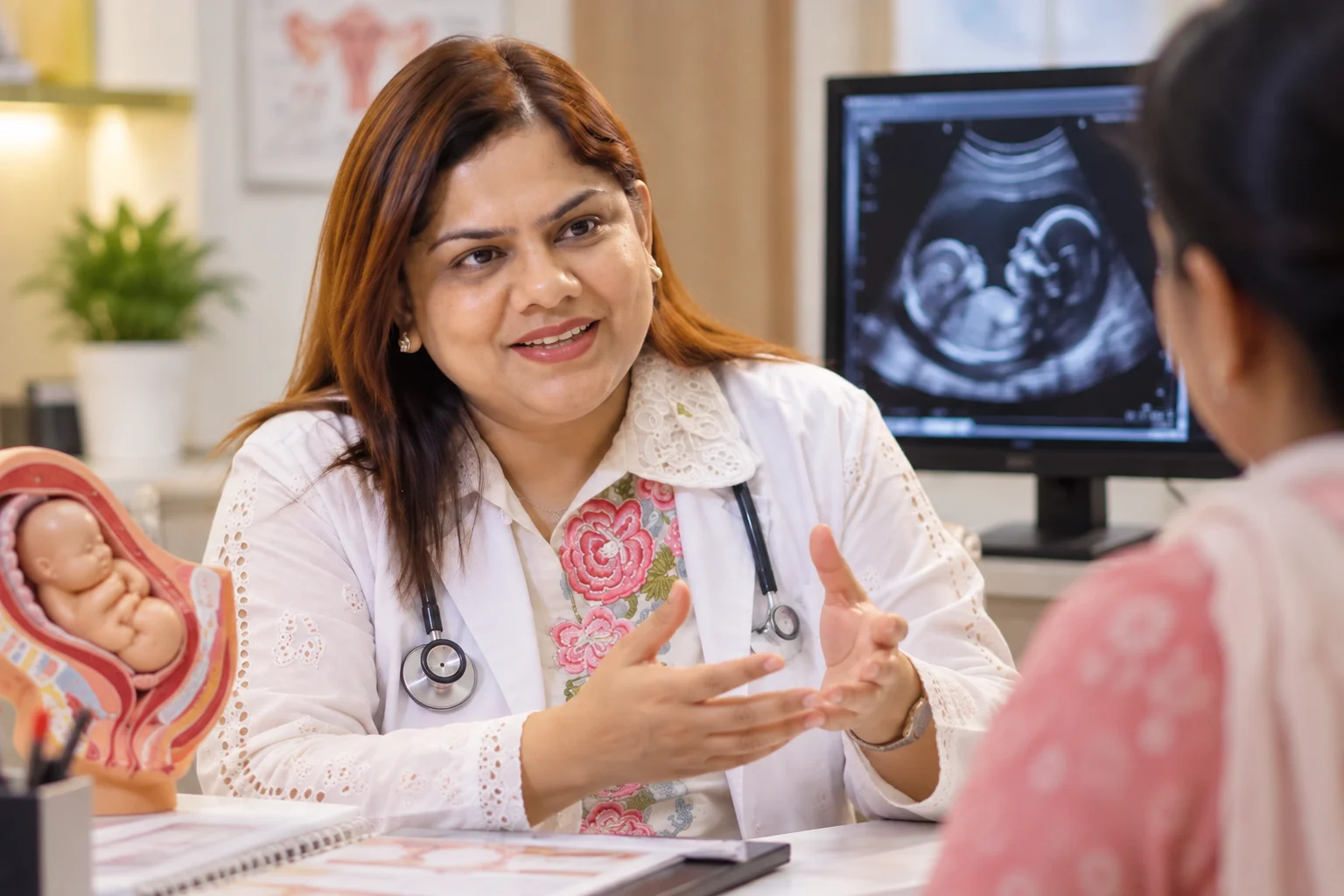
If you are looking for a Pregnancy Specialist Doctor in Nagpur, I believe the most important thing is not simply finding someone who can perform routine check-ups. Pregnancy care should involve regular monitoring, clear communication, timely identification of potential problems, and support throughout pregnancy and after delivery.
As an obstetrician and gynecologist at Dr. Agrawal's R.K. Hospital, Nagpur, my approach is to treat every pregnancy as an individual journey. Not every mother has the same medical history, lifestyle, pregnancy symptoms, or risk factors. Some pregnancies progress without major concerns, while others need closer monitoring because of conditions such as gestational diabetes, high blood pressure, previous pregnancy complications, multiple pregnancy, or previous uterine surgery.
My role is to help you understand what is happening at every stage, identify concerns early when possible, and guide you through pregnancy, delivery, and postnatal recovery.
What Does a Pregnancy Specialist Doctor in Nagpur Do?
A Pregnancy Specialist Doctor in Nagpur provides medical care and monitoring during pregnancy, helps identify potential maternal or fetal concerns, and guides the mother through antenatal care, delivery planning, and postnatal care.
Pregnancy care is not simply about checking the baby's heartbeat during appointments.
During antenatal care, we monitor the mother's health, assess fetal development, review symptoms, perform appropriate screening, discuss nutrition and lifestyle, and identify risk factors that may require additional care.
The World Health Organization recommends regular antenatal contact throughout pregnancy because these interactions provide opportunities to detect and manage potential complications and support a positive pregnancy experience. WHO's model recommends a minimum of eight antenatal contacts, beginning in the first trimester.
When you come to me, I want you to feel comfortable asking questions.
You should understand:
How is my pregnancy progressing?
Are my symptoms normal?
Which tests do I need?
What should I do between appointments?
What warning signs should I watch for?
What should I expect as delivery approaches?
These conversations are an important part of pregnancy care.
When Should You See a Pregnancy Specialist?
If you have confirmed that you are pregnant, it is a good idea to arrange pregnancy care early rather than waiting until several months have passed.
Early antenatal care gives us an opportunity to understand your health history and establish an appropriate care plan.
During the first consultation, I may want to understand:
- Your pregnancy history
- Previous deliveries
- Previous miscarriages or pregnancy complications
- Your menstrual history
- Existing medical conditions
- Previous surgeries
- Current medicines
- Allergies
- Family medical history
- Lifestyle factors
- Your current pregnancy symptoms
If you have had previous pregnancy complications, such as high blood pressure, gestational diabetes, premature delivery, miscarriage, or a previous C-section, it is particularly important to discuss your history early.
The goal is not to make you anxious.
The goal is to identify relevant information early so that your pregnancy care can be planned appropriately.
What Happens During the First Pregnancy Consultation?
The first pregnancy appointment can feel overwhelming because you may have many questions.
I encourage patients to bring their previous medical reports and a list of medicines or supplements they are taking.
Depending on how far along you are and your individual circumstances, the consultation may involve:
Confirming the Pregnancy and Gestational Age
We need to establish how far the pregnancy has progressed and estimate the expected delivery period.
Reviewing Your Medical History
Conditions such as diabetes, thyroid disorders, high blood pressure, anemia, previous pregnancy complications, or previous surgeries may influence pregnancy care.
Assessing Your General Health
Blood pressure, weight and other relevant health measurements may form part of routine antenatal assessment. WHO guidance includes maternal assessment and blood-pressure monitoring as important components of antenatal care.
Discussing Appropriate Tests
Depending on your pregnancy stage and medical history, blood tests, urine testing, ultrasound and other screening may be recommended.
Discussing Nutrition and Supplements
Pregnancy increases nutritional requirements, and supplementation should be individualized according to medical advice. WHO recommends iron and folic acid supplementation during pregnancy as part of antenatal care.
Answering Your Questions
This is an important part of the consultation.
If you are worried about nausea, food, exercise, travel, work, medicines, sleep, or any other pregnancy-related concern, ask.
There is no need to feel embarrassed about asking a question simply because it seems small.
Why Regular Antenatal Check-Ups Matter
One of the most common mistakes I see is assuming:
“I feel fine, so I don't need frequent pregnancy check-ups.”
Pregnancy can change over time, and some complications may not produce obvious symptoms in the beginning.
Regular antenatal care allows your healthcare team to monitor both maternal and fetal wellbeing and identify concerns that may require further evaluation.
WHO emphasizes that antenatal care should involve more than simply counting visits. Each contact should provide meaningful assessment, prevention, counselling and support.
Depending on your pregnancy, regular care may include monitoring:
- Blood pressure
- Weight
- Maternal symptoms
- Fetal growth
- Fetal movements later in pregnancy
- Blood and urine test results
- Blood sugar when indicated
- Nutritional status
- Pregnancy-related risk factors
The exact schedule and investigations should be determined by your treating doctor.
Pregnancy Care During the First Trimester
The first trimester can bring excitement as well as uncertainty.
You may experience:
- Nausea
- Vomiting
- Tiredness
- Breast tenderness
- Increased urination
- Food aversions
- Changes in appetite
- Mood changes
Some of these symptoms are common in early pregnancy. However, not every symptom should automatically be dismissed as “normal pregnancy.”
During early pregnancy, I want patients to understand the difference between symptoms that can often be monitored and symptoms that require medical evaluation.
The first trimester is also an important period for establishing gestational age, reviewing maternal health, discussing appropriate supplementation, and planning relevant investigations.
WHO recommends the first antenatal contact in the first trimester, ideally within the first 12 weeks.
If you have just discovered that you are pregnant, don't wait simply because you are not experiencing any problems.
Early pregnancy care is about prevention as much as treatment.
Pregnancy Care During the Second Trimester
For many women, the second trimester can feel more comfortable than the first.
Nausea may improve, energy may return, and the pregnancy may begin to feel more real as the abdomen grows and fetal movements become noticeable.
However, regular monitoring remains important.
During this stage, pregnancy care may include monitoring maternal health, fetal growth, relevant screening, and pregnancy-related conditions.
Depending on your individual situation, your doctor may discuss:
- Blood tests
- Ultrasound examinations
- Fetal development
- Blood pressure
- Blood sugar screening
- Nutrition
- Physical activity
- Weight gain
- Fetal movements as pregnancy progresses
WHO guidance includes screening and maternal-fetal assessment as key components of antenatal care.
Pregnancy Care During the Third Trimester
As the due date approaches, many mothers begin thinking more about delivery.
Questions often become more practical:
Will I have a normal delivery?
When should I come to the hospital?
What happens if labour starts at night?
How will I know that something is wrong?
Will I need a C-section?
These are completely reasonable questions.
During the third trimester, we continue monitoring your health and the baby's growth while also discussing delivery planning.
The timing and frequency of appointments may increase as you approach delivery.
Depending on your pregnancy, your doctor may monitor:
- Blood pressure
- Maternal symptoms
- Baby's growth
- Fetal movements
- Baby's position
- Relevant blood and urine tests
- Signs of pregnancy complications
- Delivery planning
The exact care plan depends on your pregnancy rather than following the same schedule for every woman.
What Is High-Risk Pregnancy?
The term high-risk pregnancy can sound frightening.
I want patients to understand that being classified as high risk does not automatically mean that something bad will happen.
It means the pregnancy has certain factors that may require closer monitoring or specialized management.
The hospital's pregnancy-care service specifically provides high-risk pregnancy management.
Factors that may require closer monitoring can include:
- High blood pressure
- Preeclampsia
- Gestational diabetes
- Multiple pregnancy
- Previous pregnancy complications
- Previous C-section or uterine surgery
- Placenta-related problems
- Certain maternal medical conditions
- Certain fetal concerns
- Other pregnancy-specific risk factors
The important point is:
High-risk does not mean hopeless.
It means your care needs to be planned carefully.
Early identification and appropriate monitoring can help your medical team respond when intervention becomes necessary.
How Is Gestational Diabetes Managed During Pregnancy?
Gestational diabetes is diabetes that develops during pregnancy.
It is important because elevated blood glucose during pregnancy can affect both mother and baby.
Screening for gestational diabetes is commonly performed during pregnancy according to clinical protocols and individual risk factors. WHO's antenatal care recommendations include blood glucose testing around 24–28 weeks as part of routine maternal assessment.
If you are diagnosed with gestational diabetes, don't panic.
Management may involve:
- Dietary guidance
- Physical activity where appropriate
- Blood glucose monitoring
- Medical treatment when required
- Closer maternal and fetal monitoring
The exact plan depends on your blood glucose levels and overall health.
My advice is not to ignore an abnormal test simply because you feel well. Gestational diabetes may not always produce obvious symptoms.
What About High Blood Pressure During Pregnancy?
Blood pressure monitoring is an important part of antenatal care.
High blood pressure during pregnancy can sometimes be associated with conditions such as preeclampsia, which requires medical assessment and monitoring.
Some warning symptoms can include:
- Severe headache
- Vision changes
- Significant swelling
- Upper abdominal pain
- Sudden worsening symptoms
- Breathlessness
- Feeling unusually unwell
A severe headache during pregnancy, particularly when associated with other concerning symptoms, should not simply be dismissed. Preeclampsia can cause serious complications if it is not recognized and managed.
If you experience concerning symptoms, contact your maternity care provider promptly rather than waiting for your next routine appointment.
What Should You Eat During Pregnancy?
Pregnancy is not the time for extreme dieting.
Your nutritional needs change during pregnancy, and a balanced diet is important for maternal health and fetal development.
I generally encourage patients to focus on a varied diet that includes appropriate sources of:
- Protein
- Whole grains
- Vegetables
- Fruits
- Healthy fats
- Calcium-rich foods
- Iron-rich foods
- Adequate fluids
Pregnancy supplements should be taken according to medical advice.
WHO includes counselling about healthy eating, nutrition and appropriate vitamin/mineral supplementation as part of antenatal care.
One important point: don't start or stop medicines or supplements during pregnancy without discussing them with your doctor.
Even medicines that seem harmless can require consideration during pregnancy.
Can You Exercise During Pregnancy?
For many healthy pregnancies, appropriate physical activity can be beneficial.
However, pregnancy is not a competition.
You don't need to follow an intense workout routine simply because someone else did during pregnancy.
The type and amount of activity should take into account your pregnancy, health, previous activity level, and any complications.
WHO recommends counselling around physical activity as part of antenatal care.
If you have been advised to restrict activity because of a pregnancy complication, follow your treating doctor's instructions.
Normal Delivery or C-Section: How Is the Decision Made?
This is one of the biggest concerns for many expecting mothers.
I often tell patients:
The goal is not to promise a particular type of delivery. The goal is a safe delivery for the mother and baby.
A vaginal delivery may be appropriate when the clinical circumstances support it.
A C-section may become necessary when there is a medical reason that makes vaginal delivery unsafe or less appropriate.
The decision can depend on factors such as:
- Maternal health
- Fetal condition
- Baby's position
- Placental problems
- Labour progression
- Previous uterine surgery
- Certain pregnancy complications
- Other clinical circumstances
A C-section should not be viewed as a failure.
Similarly, vaginal delivery should not be treated as something a mother must achieve at any cost.
Safety comes first.
What Should You Expect From Maternity Care?
Good maternity care extends beyond the delivery itself.
At Dr. Agrawal's R.K. Hospital, pregnancy and maternity services include antenatal care, delivery care, high-risk pregnancy management, and postnatal support.
The overall journey may involve:
Pregnancy confirmation → Antenatal care → Maternal and fetal monitoring → Delivery planning → Labour and delivery → Postnatal care
The hospital also states that emergency services are available around the clock, including for pregnancy emergencies.
For an expecting mother, knowing where to seek care when something unexpected happens can provide important reassurance.
When Should You Seek Urgent Medical Attention During Pregnancy?
Not every pregnancy symptom is an emergency, but certain symptoms should never be ignored.
Seek prompt medical assessment if you experience symptoms such as:
- Vaginal bleeding
- Severe abdominal or pelvic pain
- Severe headache
- Vision changes
- Sudden or significant swelling
- Severe vomiting or inability to keep fluids down
- Sudden breathlessness
- Chest pain
- Fever with concerning symptoms
- Reduced or changed fetal movements later in pregnancy
- Fluid leakage when you are concerned it may be amniotic fluid
- Any symptom that feels significantly different or worrying to you
The NHS specifically advises pregnant women to seek medical help for concerning symptoms such as severe headache, severe vomiting, sudden breathlessness, and other worrying symptoms.
If you feel that something is wrong, do not wait for your next scheduled appointment.
Why Personalized Pregnancy Care Matters
No two pregnancies are exactly alike.
A first pregnancy may be very different from a second pregnancy.
A woman with no previous medical problems may need a different care plan from someone with diabetes, hypertension, thyroid disease, a previous C-section, or a history of pregnancy complications.
This is why I don't believe pregnancy care should be based entirely on a fixed checklist.
Guidelines provide an important framework, but the actual patient sitting in front of me matters.
I want to understand:
Who are you?
What is your medical history?
How is your pregnancy progressing?
What concerns you?
What risks need attention?
What can we do to support a safe pregnancy and delivery?
That is the foundation of personalized maternity care.
How to Choose a Pregnancy Specialist Doctor in Nagpur
If you are comparing doctors for pregnancy care, I recommend considering more than location or online ratings.
Look for a doctor who:
Has Appropriate Obstetric and Gynecological Qualifications
Pregnancy care should be provided by a suitably qualified professional.
Dr. Priyanka Agrawal's hospital profile identifies her as MBBS, MD (Obstetrics & Gynecology), Gynecologist & Obstetrician.
Provides Regular Antenatal Care
Pregnancy is a journey, not a single consultation.
Explains Your Reports
You should understand what your tests mean and why they have been recommended.
Discusses Delivery Options Honestly
Your doctor should explain why a particular delivery approach may or may not be suitable.
Can Manage High-Risk Pregnancy When Required
If you have specific risk factors, ask about the hospital's ability to provide appropriate monitoring and emergency support.
Provides Postnatal Support
Care should continue after delivery.
The mother's recovery, breastfeeding, emotional wellbeing, wound care when applicable, and other postpartum concerns are also important.
Questions to Ask Your Pregnancy Specialist Doctor
Before your first appointment, write down your questions.
You can ask:
- How far along is my pregnancy?
- What tests do I need at this stage?
- How often should I have antenatal check-ups?
- Are my current medicines safe during pregnancy?
- What should I eat?
- Can I exercise and continue working?
- What symptoms should make me call the hospital?
- Am I at increased risk for any pregnancy complications?
- When will we discuss delivery planning?
- What happens if I go into labour unexpectedly?
- What should I bring when I come to the hospital for delivery?
- What postnatal care will I need?
Asking questions is not a sign that you are overthinking your pregnancy.
It means you are taking an active role in your care.
My Advice to Expecting Mothers
Pregnancy can bring a lot of information from family, friends, social media, websites, and online videos.
Sometimes this information is useful.
Sometimes it creates unnecessary fear.
One mother may tell you that a particular symptom is completely normal because she experienced it. Another may tell you that the same symptom means something serious.
Neither experience necessarily tells us what is happening in your pregnancy.
My advice is simple:
Don't compare your pregnancy too closely with somebody else's.
Your age, medical history, pregnancy stage, previous pregnancies, health conditions, and baby's development all matter.
If you are unsure about a symptom, ask your pregnancy-care provider.
And don't start medicines, supplements, herbal products, or restrictive diets simply because someone recommended them online.
Your pregnancy deserves individualized medical advice.
Pregnancy Care in Nagpur: When Should You Book an Appointment?
If you have recently confirmed your pregnancy, arranging an early antenatal appointment is a sensible next step.
WHO recommends that the first antenatal contact occur in the first trimester, ideally by 12 weeks.
You should also seek medical care promptly if you develop concerning symptoms during pregnancy rather than waiting for a routine appointment.
At Dr. Agrawal's R.K. Hospital, pregnancy care is available through the hospital's gynecology and obstetrics services, including antenatal care, delivery care, high-risk pregnancy management and postnatal support.
The hospital is located at:
27, Chandrashekhar Azad Square, Central Avenue, beside Hotel Al Zam Zam, Ladpura, Itwari, Nagpur, Maharashtra 440002.
Frequently Asked Questions About Pregnancy Specialist Doctor in Nagpur
Who should I consult for pregnancy care in Nagpur?
For pregnancy care, you should consult a qualified obstetrician or gynecologist-obstetrician who can provide antenatal monitoring, identify pregnancy-related risks, and guide you through delivery and postnatal care.
When should I first visit a pregnancy specialist after a positive pregnancy test?
It is advisable to arrange pregnancy care early. WHO recommends the first antenatal contact during the first trimester, ideally within the first 12 weeks.
How often should I visit a pregnancy specialist during pregnancy?
The schedule depends on your individual pregnancy and medical needs. WHO recommends a minimum of eight antenatal contacts as part of its routine antenatal care model.
What tests are required during pregnancy?
Tests vary according to your pregnancy stage, health history and risk factors. They may include blood and urine testing, blood pressure assessment, ultrasound and screening for conditions such as gestational diabetes. Your doctor will determine which tests are appropriate.
What is a high-risk pregnancy?
A high-risk pregnancy has one or more factors that may increase the need for closer monitoring or specialized care. These may include certain medical conditions, previous pregnancy complications, multiple pregnancy, high blood pressure, gestational diabetes or previous uterine surgery.
Is normal delivery always better than C-section?
The safest delivery method depends on the individual mother and baby. A vaginal delivery may be appropriate in many pregnancies, while a C-section may be medically necessary in certain situations. The priority should be maternal and fetal safety.
Can I exercise during pregnancy?
Many women with uncomplicated pregnancies can remain physically active, but the appropriate activity depends on individual circumstances. Discuss your exercise routine with your pregnancy-care provider, particularly if you have a pregnancy complication.
What symptoms require urgent attention during pregnancy?
Symptoms such as significant vaginal bleeding, severe abdominal pain, severe headache, vision changes, sudden breathlessness, severe vomiting, or concerning changes in fetal movements should receive prompt medical attention.
Can pregnancy complications be detected early?
Regular antenatal care provides opportunities to screen for and identify potential complications. This is one reason consistent pregnancy monitoring is important.
How do I choose the right pregnancy specialist doctor in Nagpur?
Look for an appropriately qualified obstetrician who provides regular antenatal care, explains investigations and treatment decisions clearly, can manage or refer high-risk pregnancies appropriately, and provides delivery and postnatal support.
Conclusion
If you are searching for a Pregnancy Specialist Doctor in Nagpur, I want you to remember that pregnancy care is not simply about waiting for the delivery date.
It is a continuous process of monitoring your health, following your baby's development, identifying potential concerns, answering your questions, and preparing you for delivery and recovery.
Some pregnancies progress without major complications. Others need closer monitoring. Neither situation should be approached with unnecessary fear.
My role as an obstetrician is to help you understand where your pregnancy stands, what care you need at each stage, and when additional attention may be necessary.
You should never feel that you have to navigate pregnancy alone or rely only on information from the internet.
If you have recently discovered that you are pregnant, start your antenatal care early. If you are already pregnant and have concerns about symptoms, reports, or your baby's development, discuss them with your pregnancy-care provider.
At Dr. Agrawal's R.K. Hospital, Nagpur, pregnancy and maternity care includes antenatal care, delivery services, high-risk pregnancy management and postnatal support under the hospital's gynecology and obstetrics department.